Why Builders Cleans Blow Out · Gold Coast
Why Builders Cleans Blow Out, and How to Stop It Happening on Your Site
Ask a site supervisor about the worst builders clean they have ever signed off, and the story is rarely about dirt. It is about timing. The clean happened, the trades came back through, and by the time the client walked in, the place looked like nobody had touched it.
We have done enough builders cleans across the Gold Coast to say this plainly. A builders clean is a coordination problem before it is a cleaning problem. The scrubbing is the part any decent cleaning company can handle. Getting the clean to land at the right point in the program, and to still be holding when it matters, is the part most of them never think about.
Builders already know this instinctively. You are not paying for a clean house. You are paying to get a handover across the line. Those are two different jobs, and the second one has to be planned like a stage of the build, not booked like a domestic clean.
The Clean-Then-Trades-Return Cycle
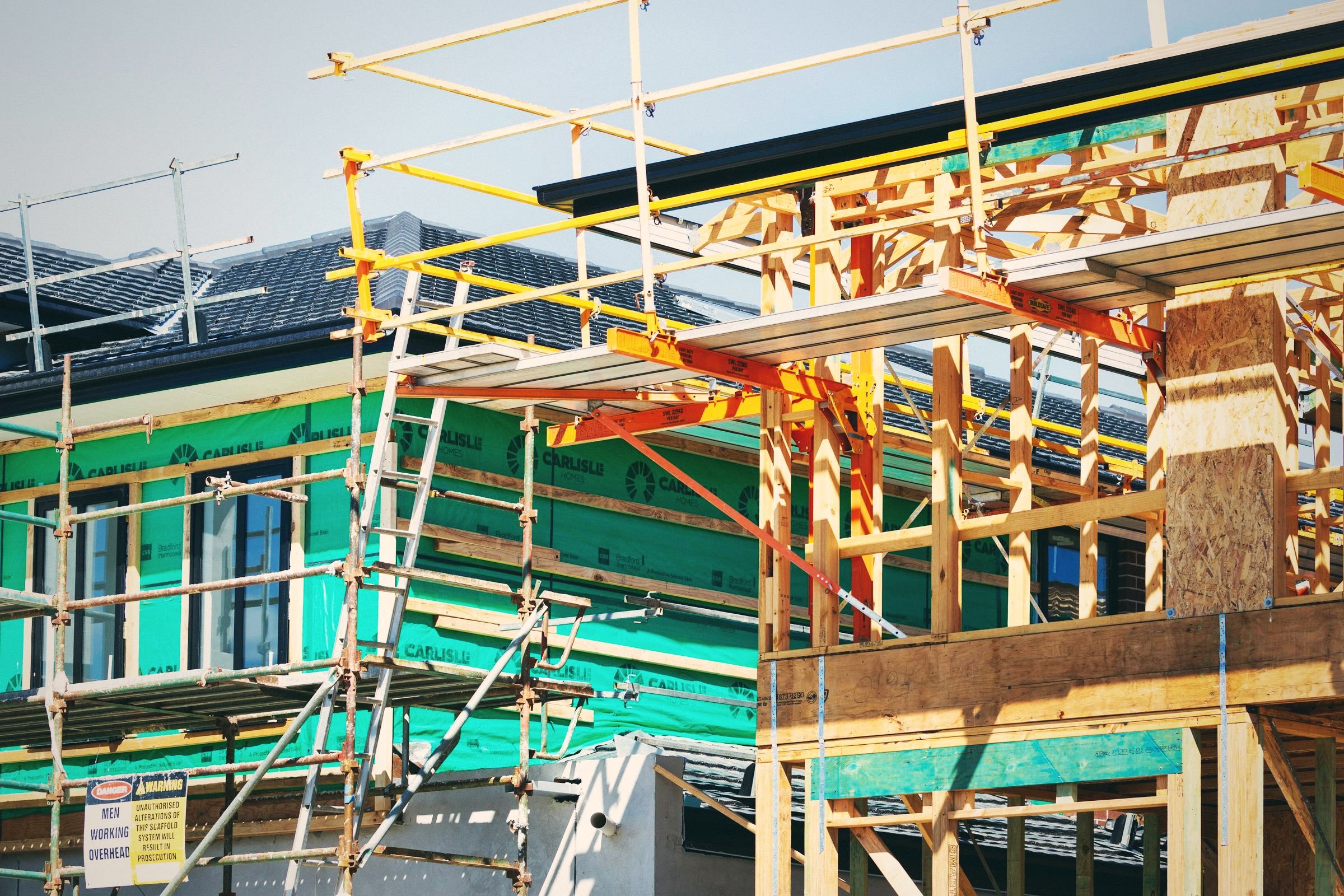
Here is how a builders clean actually blows out. The clean gets booked for the earliest date the site looks finished. Then the painter comes back for touch-ups and sands back a patch in the hallway. The sparky returns to fit the last plates and leaves dust through every switch cavity. The glazier swaps out a scratched panel and runs silicone across a window that was polished two days earlier.
None of that is anyone doing the wrong thing. Trades returning to close out their work is a normal part of finishing a build. The problem is a clean that was scheduled as though they would not, which leaves the builder paying for the same result twice or handing over a job that undersells everything the trades did well.
A clean that does not hold to handover is not a clean. It is a cost.
Sequencing Beats Scrubbing
The fix is not a better mop. It is a better sequence. Before we lock in a builders clean, we want to know what is actually left on the program. Which trades are still coming back. Whether the defect list has been walked yet. Whether rectification works are booked before or after our date. When the client walk-through is happening, and where the real handover date sits.
Once we know that, the structure usually sorts itself out. The heavy clean goes in after the messy trades are done. The final detail pass goes in after touch-ups and defect rectification, as close to the walk-through as the program allows. If a trade has to come back after us, we know in advance and plan a targeted return, rather than finding out when the supervisor rings.
Get the sequence right and the clean holds. Get it wrong and you are cleaning twice, chasing your tail in the last week, and explaining to a client why a finished house does not look finished. We cover what actually sits inside the scope in What a Proper Builders Clean Includes (And Why Handovers Depend On It).
What We Do Differently
We plan the clean around what is actually happening on site, not around what the calendar says should be happening. That starts with a proper conversation before we quote, keeps going through the defect period, and does not stop until the keys change hands. If your program moves, we would rather hear about it early and reschedule than turn up to a site that is not ready and bill you for the privilege.
We also work to the date that matters, which is yours. Not the date that suits our run sheet. If practical completion shifts, the clean shifts with it, and you hear that from us in plain terms, not through a missed call and a text two days later. It is the same approach we bring to all of our commercial cleaning work, and we have written more about slotting into build schedules in Why Your Cleaner Needs to Be Part of Your Construction Program.
The Last Thing You Do, the First Thing They See
The clean is the last trade on site and the first thing your client sees. They will never inspect your slab prep or your waterproofing. They will run a hand along the benchtop, look through the glass, and walk the floors, and they will judge the whole build on what those three things tell them.
That is why we treat a builders clean as part of the handover, not an errand at the end of it. This business was built by tradespeople-minded operators who understand programs, deadlines and what a sign-off actually rides on. You can read more about how OSCC was built and who runs it on our About page.
Book the clean like it matters, because on handover day, it is the only trade the client can see.
Want to see how we do it? Explore our builders cleans and pre-handover cleaning.
Curious who’s behind the standard? Meet the people behind OSCC.
Questions We Hear Every Week
When should a builders clean be scheduled?
After the messy trades have finished and defect rectification is booked or complete, with the final detail pass as close to the client walk-through as the program allows. Timing the clean against the program is what stops it needing to be done twice.
Why do builders cleans need to be done twice on some sites?
Usually because the clean was booked before returning trades finished their touch-ups. Painters, electricians and glaziers coming back after the clean will undo detailed work, which means paying for the same result again.
Do you work around trades coming back to site?
Yes. We ask what is left on the program before we lock in dates, and if a trade needs to return after our clean, we plan a targeted follow-up rather than leaving the builder to discover the mess at walk-through.
What happens if my handover date moves?
The clean moves with it. We work to the builder’s date, so if practical completion shifts, we reschedule around the new date and confirm it with you directly.
Related Guides
Let’s talk about your site.
If you have a handover coming up and you want a clean that is planned around your program and holds to the walk-through, talk to us early. We will work to your date, not ours.
Request a Commercial Quote